Between the Testaments…


What do you think is the most important page of the Bible? This question doesn’t have a “right answer,” because the whole Bible is from God. Every page is filled with God’s words. If we were allowed to pick a favorite, though, which page of the Bible would be yours? Maybe yours is the Bible’s first page, because it tells us how God made the Universe. Or maybe your favorite page is the one that has the death, burial, and resurrection of Jesus Christ at the end of Matthew. These are both great options!
Very few people, however, would probably say that their favorite page of the Bible is the blank page between Malachi and Matthew. I’m sure you’re familiar with that page—the one between the Old and New Testaments.
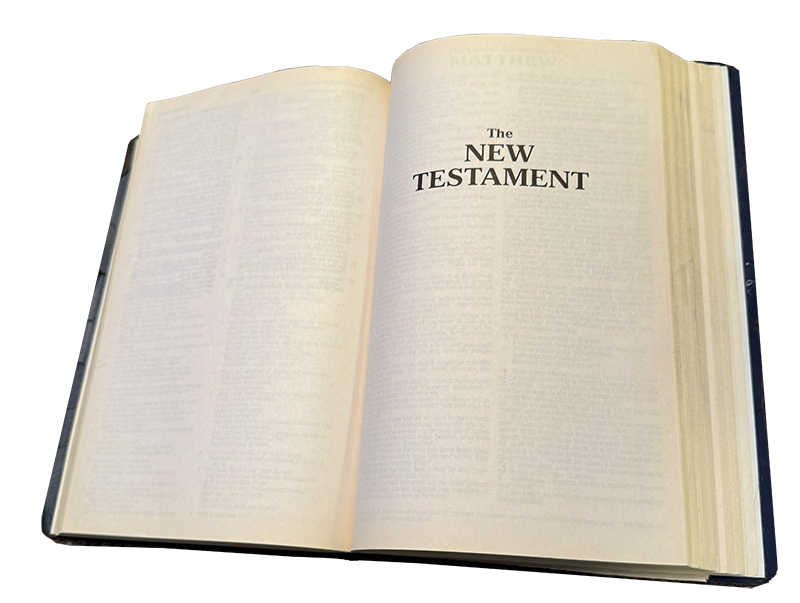
Although this page does not have any words from God written on it, it is still a very important page of the Bible—one that is often misunderstood. Learning about it helps us understand the pages that do have words.
This page represents the “Intertestamental Period,” which is a big word that means the time between the Old and New Testaments. Maybe you’ve heard it called the “400 Years of Silence.” The period is “silent” because God did not reveal any new information to His people and no new books of the Bible were written. This does not mean that nothing happened, though. The Jews wrote many things and experienced many changes during this period. So, what exactly happened during this period?
From Persia To Rome
This year the United States turned 250 years old. Imagine how hard it would be to summarize that whole time frame. Now, add 150 more years to that number. That is roughly how much history took place between Malachi and Matthew. We can’t cover everything from this period in this issue, but we’ll note the key events. Think of this period as a journey through four stages: Persia, Greece, Jewish independence, and finally Rome.
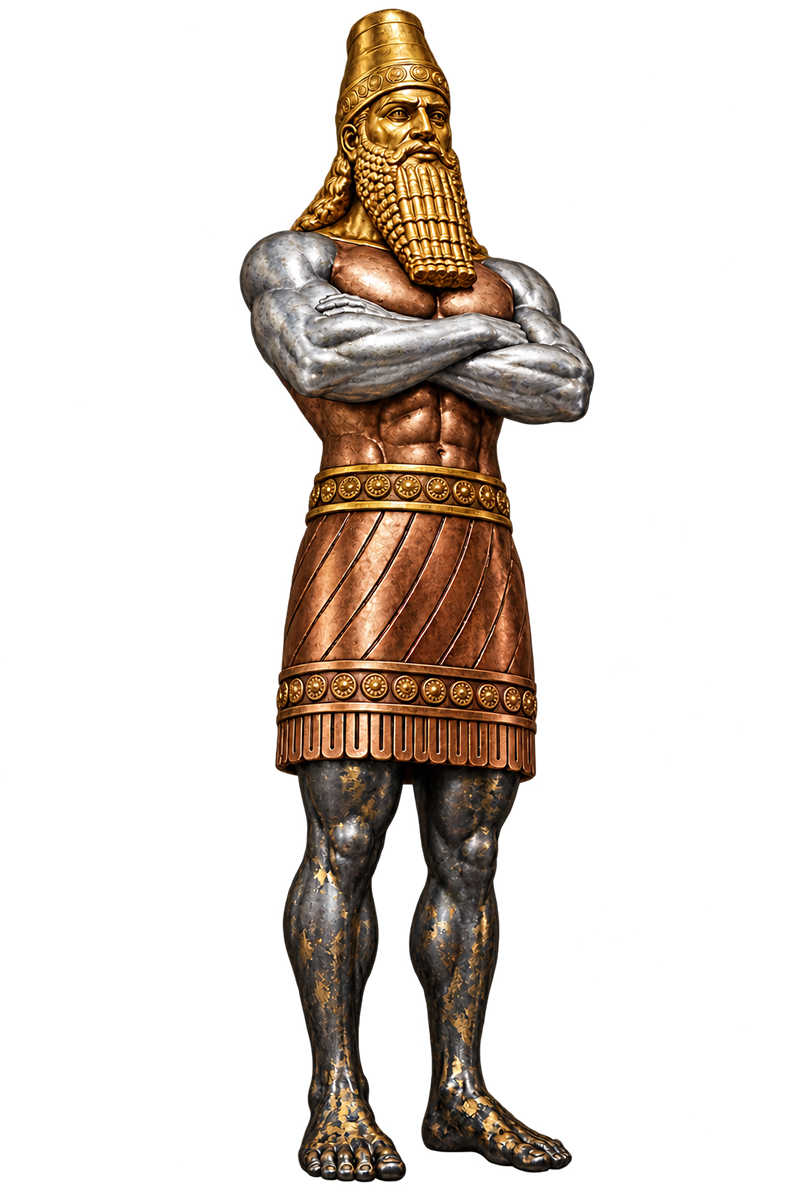
STAGE 1: PERSIA: The Jews returned from exile during the Persian period. According to Daniel, this period was represented by the silver chest and arms on the image in Nebuchadnezzar’s dream (Daniel 2:32,39). Not much is known about the Jews during the Persian period after Malachi.
STAGE 2: GREECE: Alexander the Great conquered Palestine—the land of Israel—in 332 B.C., which began Greek rule over the Jews. This kingdom was represented by the bronze thighs in Nebuchadnezzar’s dream (Daniel 2:32,39).
Alexander wanted the people he conquered to speak and live like Greeks. Some Jews were willing to follow the Greek way of life, while others were not. This caused arguments and divisions among the Jews. The Greek language became so popular that the New Testament was written in Greek.
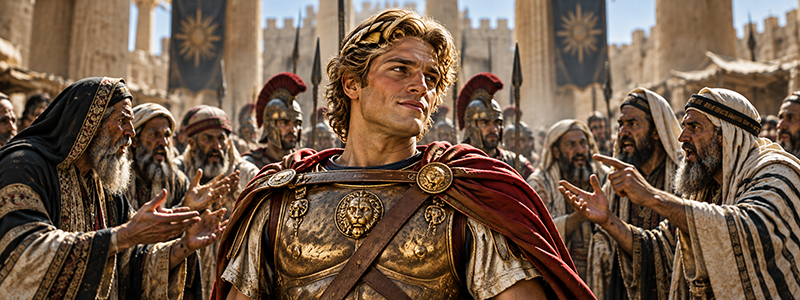
Once Alexander died, different Greek rulers controlled the Jews. The Jews faced the worst persecution when one ruler, Antiochus IV Epiphanes, tried to destroy Jewish religion and did terrible things in the Temple.
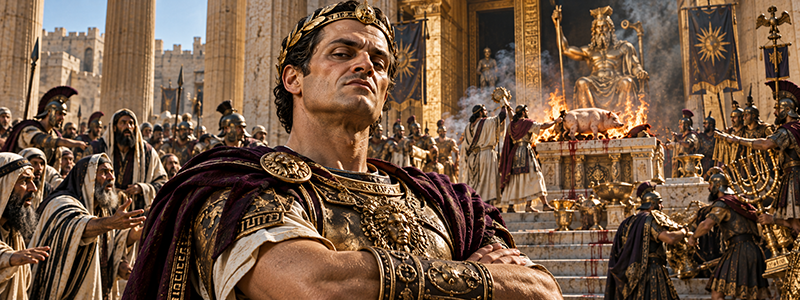
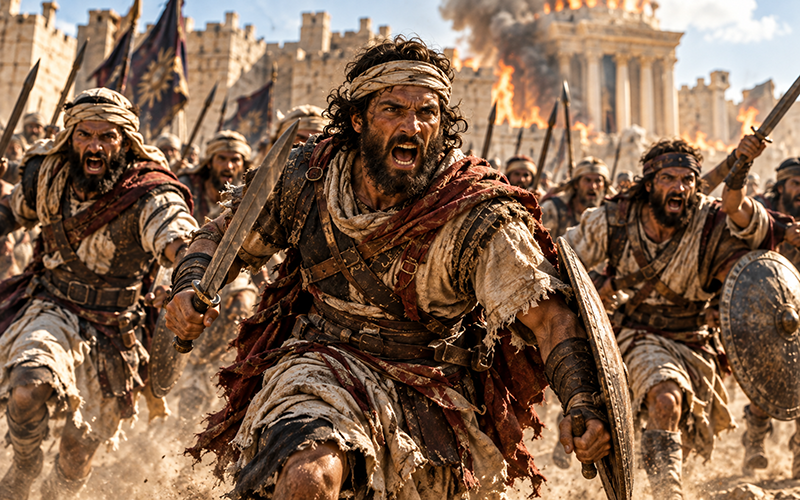
STAGE 3: JEWISH INDEPENDENCE: These terrible actions led some Jews to form a rebellion and fight for freedom from foreign rule. After successfully gaining freedom, the Jews ruled themselves for about 100 years in the time known as the Hasmonean Period (167-63 B.C.). Although the Jews ruled themselves, they still disagreed about religion and how to live.
STAGE 4: ROME: The Jewish people eventually were conquered again by the Roman general Pompey in 63 B.C. This kingdom was represented by the iron legs and feet, with an iron-clay mixture, in Nebuchadnezzar’s dream (Daniel 2:33,40). Many Jews hated the Romans because they also did terrible things to the Temple and made them pay heavy taxes.
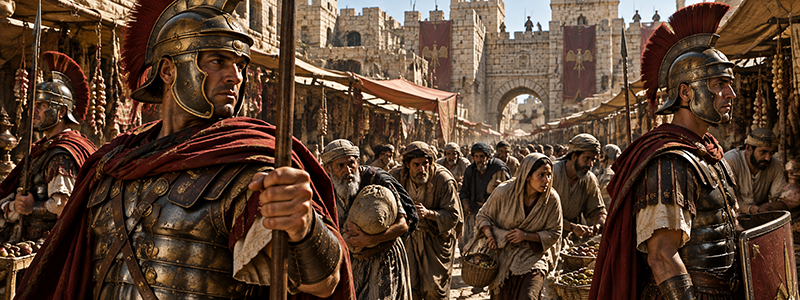
The Romans controlled Palestine from then on until the time of Jesus and the New Testament. When you begin reading the New Testament, these nations had just ruled Israel after Malachi.
What Did the Jews Leave Us?
During the years between the two Testaments, the Jews wrote lots of important things. Probably the most important thing written in the Intertestamental Period was the Septuagint, the Greek translation of the Old Testament. This translation project began around 250 B.C. and finished sometime in the first century B.C. By the time of Jesus, it was the Bible most Jews read and is quoted in the New Testament. This project helped people who only knew Greek to read and hear the Bible.
Jews also wrote many books about the Bible, their history, and beliefs. These books are called the Apocrypha, which means “hidden.” They help us learn what Jews believed and experienced during that time, but are not inspired.
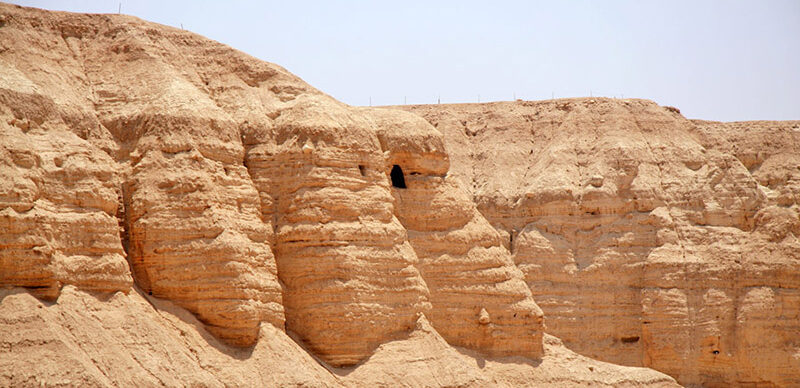
Another important discovery that helps us learn about this period is the Dead Sea Scrolls. These were scrolls found near the Dead Sea in Israel that contained writings from a Jewish group during this period. Some of the scrolls contained copies of Old Testament books. These scrolls have helped us better understand the reliable history of the Bible.
New Things You’ll See In the New Testament
During this period of Jewish history, many social and religious changes happened. Here are a few that you read about in the New Testament.
Synagogue: You may remember reading about a place in the New Testament known as the “synagogue.” Jesus and His disciples frequently used this location to teach the Christian message (see Luke 4:16-21; Acts 17:2-3). We do not know exactly where the synagogue came from, but we know it became a popular place for Jews to gather for prayer and Scripture reading.
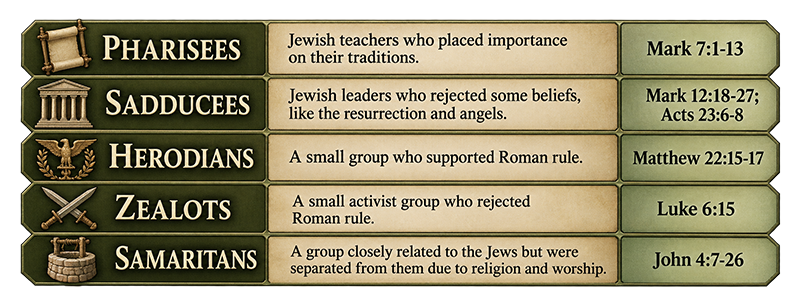
Jewish Groups: Many Jewish groups arose during this period over disagreements about religion and how to interact with the government. You will see the ones below in the New Testament and in the life of Jesus.
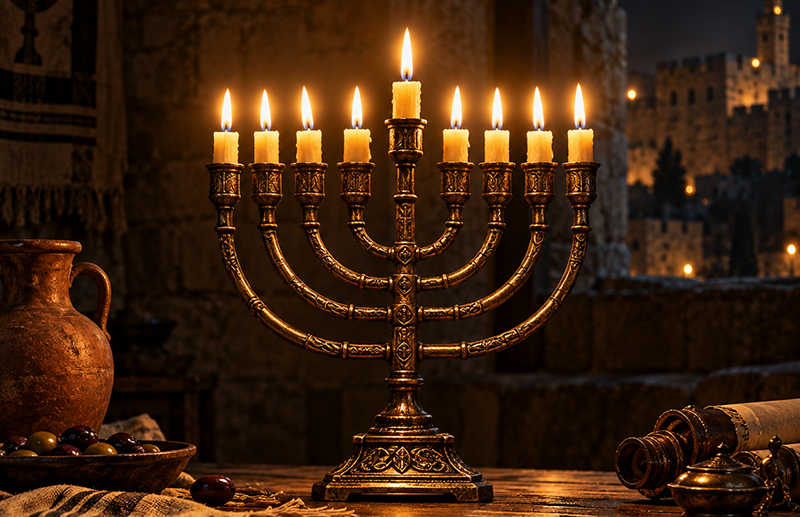
Hanukkah: An important Jewish holiday called Hanukkah began during this period. It celebrated a victory during the Hasmonean Period when the Jews took back the Temple after Antiochus IV Epiphanes did terrible things to it. This holiday appears in John 10:22 as the Feast of Dedication and is still very popular among Jews today.
The Blank Page Isn’t Really Empty
Many things happened during the Intertestamental Period that are important to know, because many of the Jewish practices found in the New Testament came from this period. In a real sense, the blank page isn’t empty at all. When we better understand this period, we can better understand the New Testament. Let’s not forget how important the blank page is between Malachi and Matthew.
“But when the fullness of time had come, God sent forth His Son, born of a woman, born under the law, to redeem those who were under the law, that we might receive the adoption as sons” (Galatians 4:4-5).
Doc’s Corner: What Is Gopherwood?
| In Genesis 6:14, God tells Noah to build the Ark out of “gopherwood.” Was that wood named after the burrowing rodent we today call a “gopher”? No. So, what was it? In truth, no one knows. While some have argued it was cedar, cypress, or pine wood, there may be no modern species that is the same as those in existence when the Ark was being built. Many plant species would have been destroyed in the Flood or gone extinct afterward. Of those that survived, all living things have decayed over time (Psalm 102:25-27). Humans can’t live as long as we did before the Flood (see Genesis 5). Land creatures aren’t as big and strong today as they were, and the same goes for the plants. Sorry, you probably can’t build a fort with gopherwood today. Whatever it was, it was perfect for building the Ark to survive the Flood, which is why God selected it. |  |

REPRODUCTION & DISCLAIMERS: We are happy to grant permission for this article to be reproduced in part or in its entirety, as long as our stipulations are observed.